Lipedema Symptoms and Early Signs
What Is Lipedema?
Lipedema is a chronic condition involving abnormal fat and connective tissue, most commonly affecting the legs and sometimes the arms. It often presents as disproportionate lower-body fat with tenderness, heaviness, and resistance to change with traditional diet and exercise.
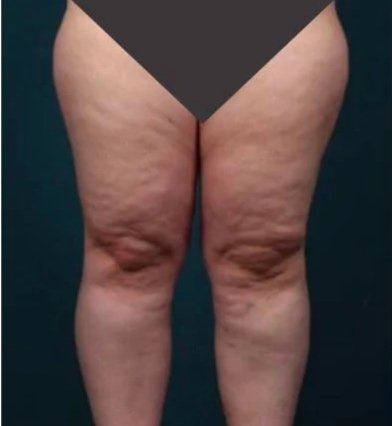
What Women Often Notice First
Legs that look and feel different than the rest of the body
Fat that does not respond to traditional diet and exercise
Tenderness or pain that does not match activity level
Swelling that increases later in the day
Easy bruising
Small, firm nodules under the skin
How Lipedema Can Feel
Women commonly describe:
Heaviness in the legs
Sensitivity to touch
A feeling of pressure or tightness
Frustration when lifestyle changes do not affect lower body fat
What Makes It Different From General Weight Gain
With general weight gain:
Fat distribution is more even
Weight loss typically affects the body proportionally
With lipedema:
Fat distribution is often disproportionate (smaller waist)
Tissue may feel nodular or tender
Lower-body fat may remain resistant to change
What to Do Next
If these patterns sound familiar, start with a structured review
You can also download the Free Discover Toolkit to organize symptoms and prepare for your next visit.
Frequently Asked Questions About Lipedema Symptoms
-
Early signs often include fat in the legs that does not respond to traditional diet and exercise, tenderness to touch, swelling that increases later in the day, and easy bruising. Some women also notice small, firm (pea-sized) nodules under the skin.
-
Many women report tenderness, heaviness, or sensitivity in affected areas. Pain may not match activity level and can occur even without injury. Some women do not report pain.
-
No. Lipedema involves abnormal fat and connective tissue, usually with disproportionate lower-body involvement, tenderness, and resistance to change with traditional diet, exercise, and even bariatric surgery.
-
With lipedema, lower-body fat may remain resistant to change even when overall weight decreases. This pattern is one of the signs women commonly report.
-
Women often start with a primary care clinician and may be referred to a vascular specialist, lymphedema specialist, or another clinician experienced in recognizing lipedema. Evaluation is based on history and physical exam
Educational use only. This content does not provide medical diagnosis or treatment advice.